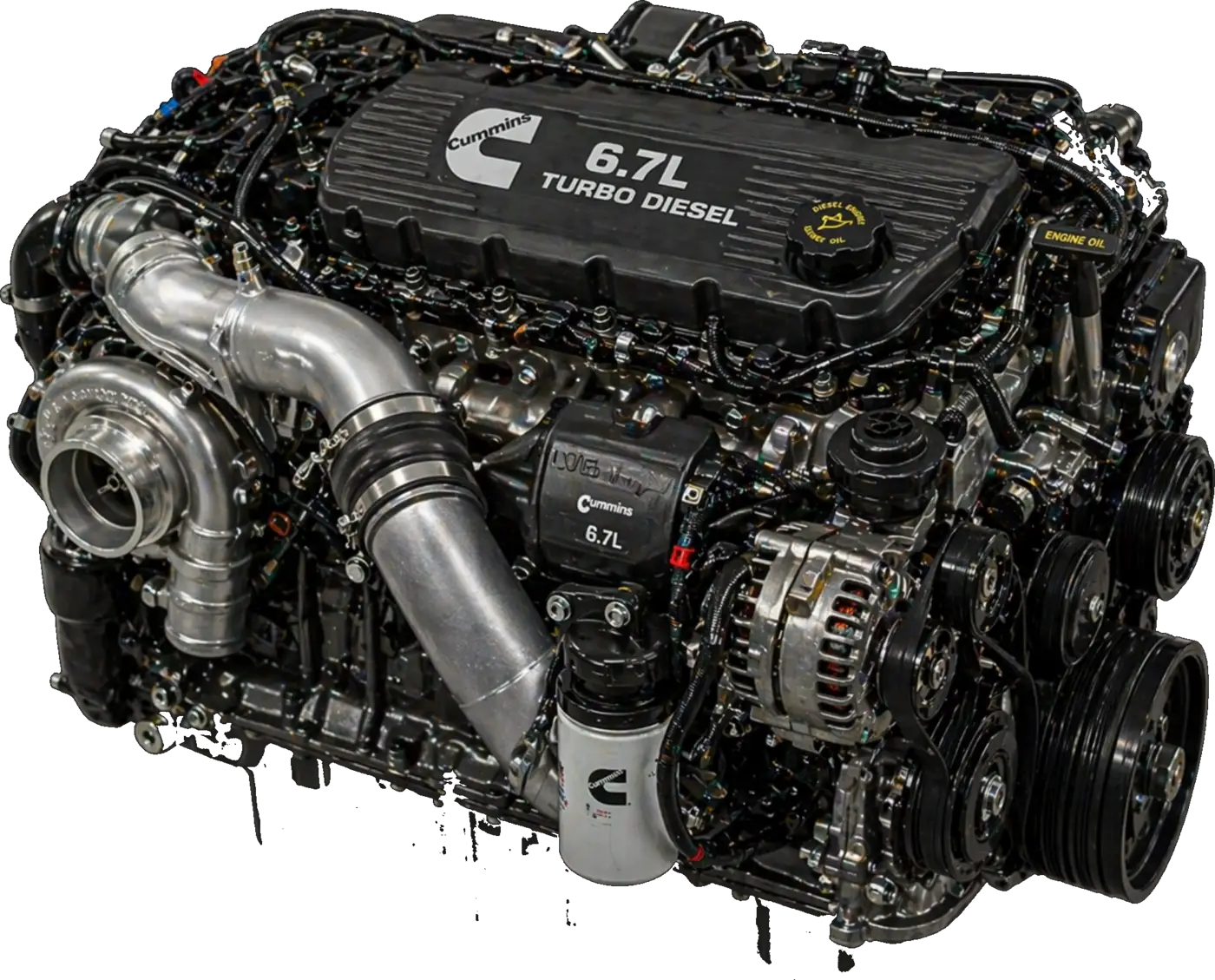
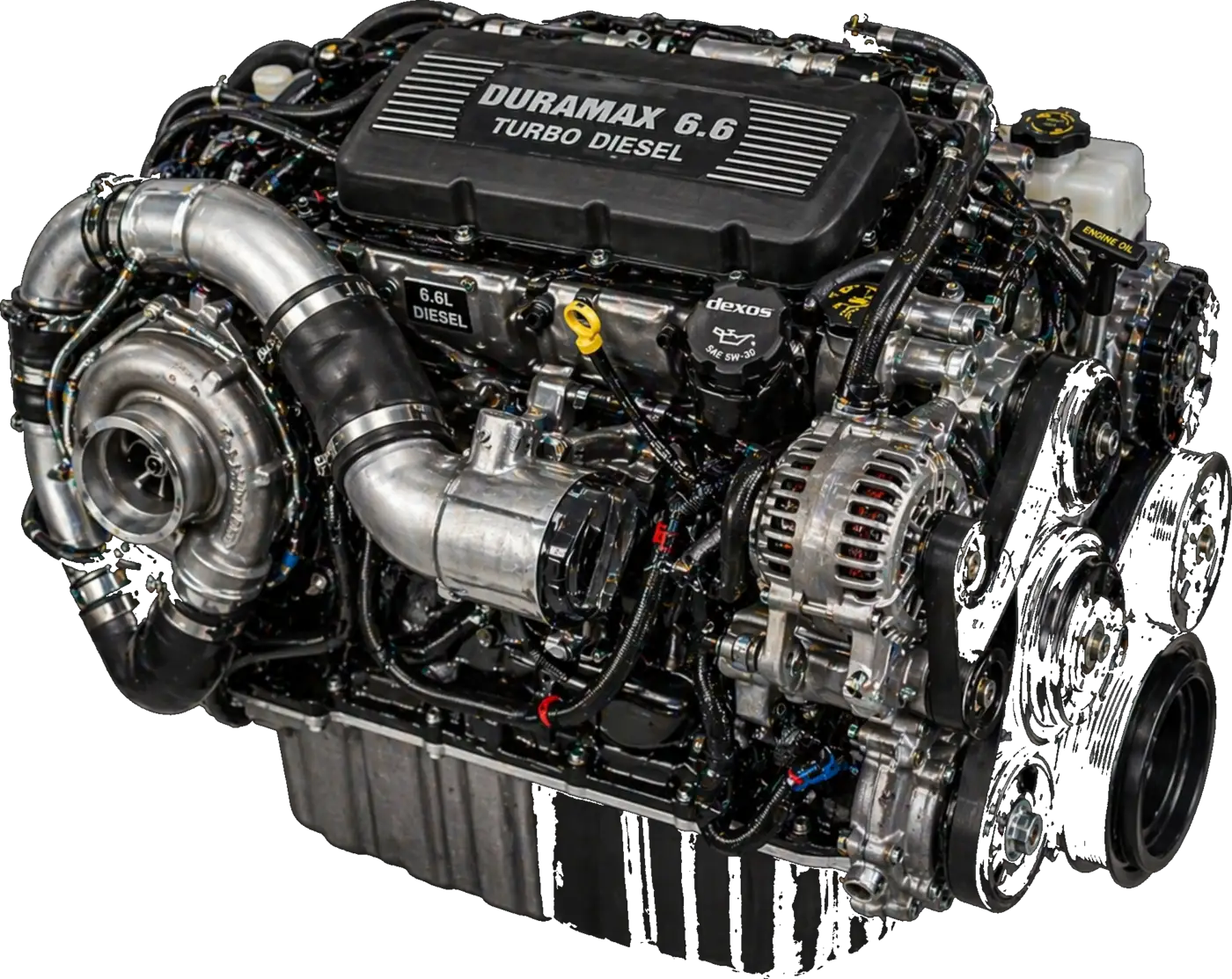
What causes 6.7L Powerstroke camshaft failure?
Camshaft lobe wear on the 6.7L Powerstroke is typically associated with oil degradation, extended change intervals, and high-load use cycles that exceed the factory lubrication design intent. An upgraded camshaft with the correct oil maintenance schedule significantly reduces repeat failure risk.
Does the 6.7L Powerstroke have head gasket issues?
The 6.7L is more robust than the 6.0L in this area, but tuned or high-boost examples can experience head sealing issues. Upgraded valve springs and correct head torque specification are the first line of defense.
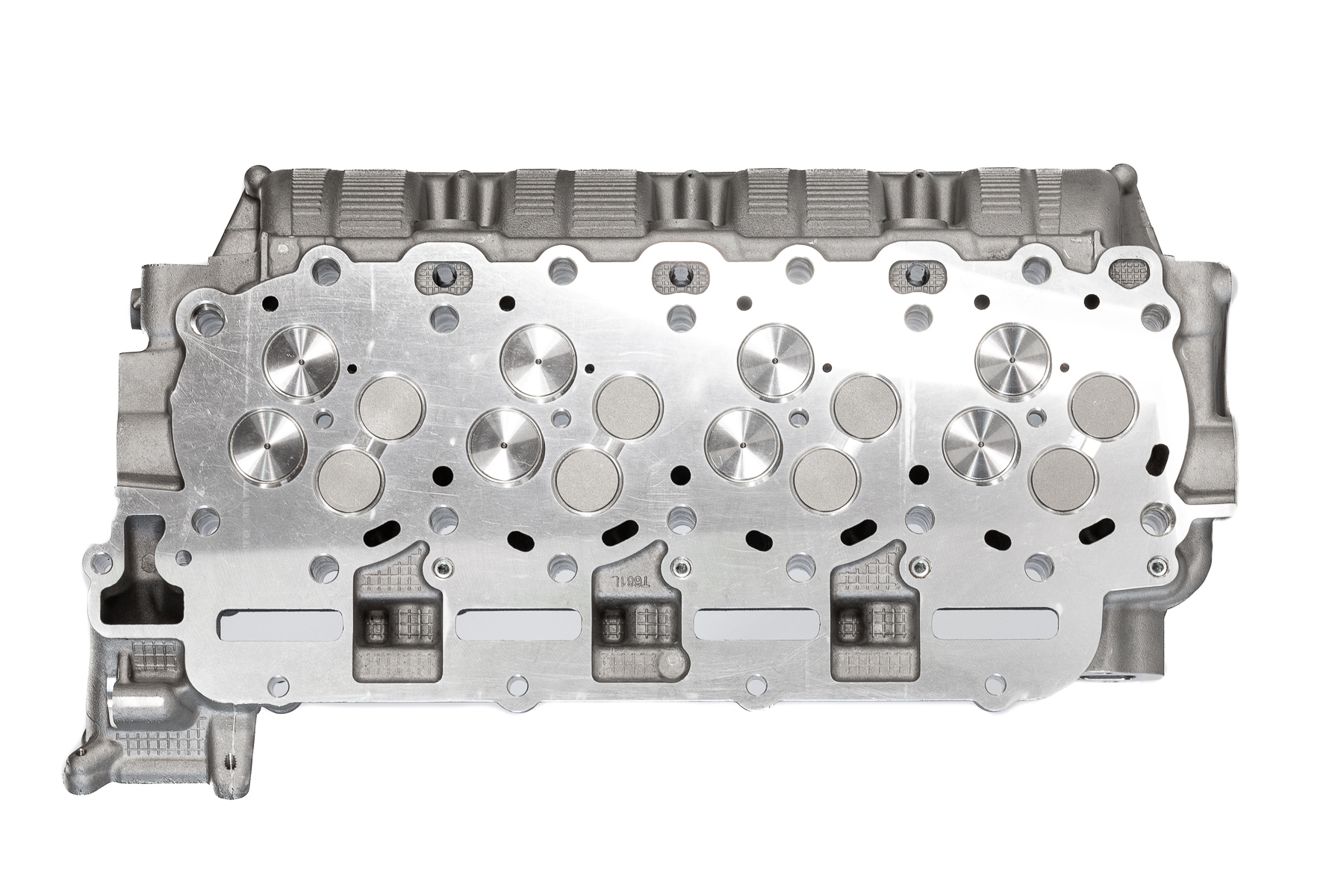
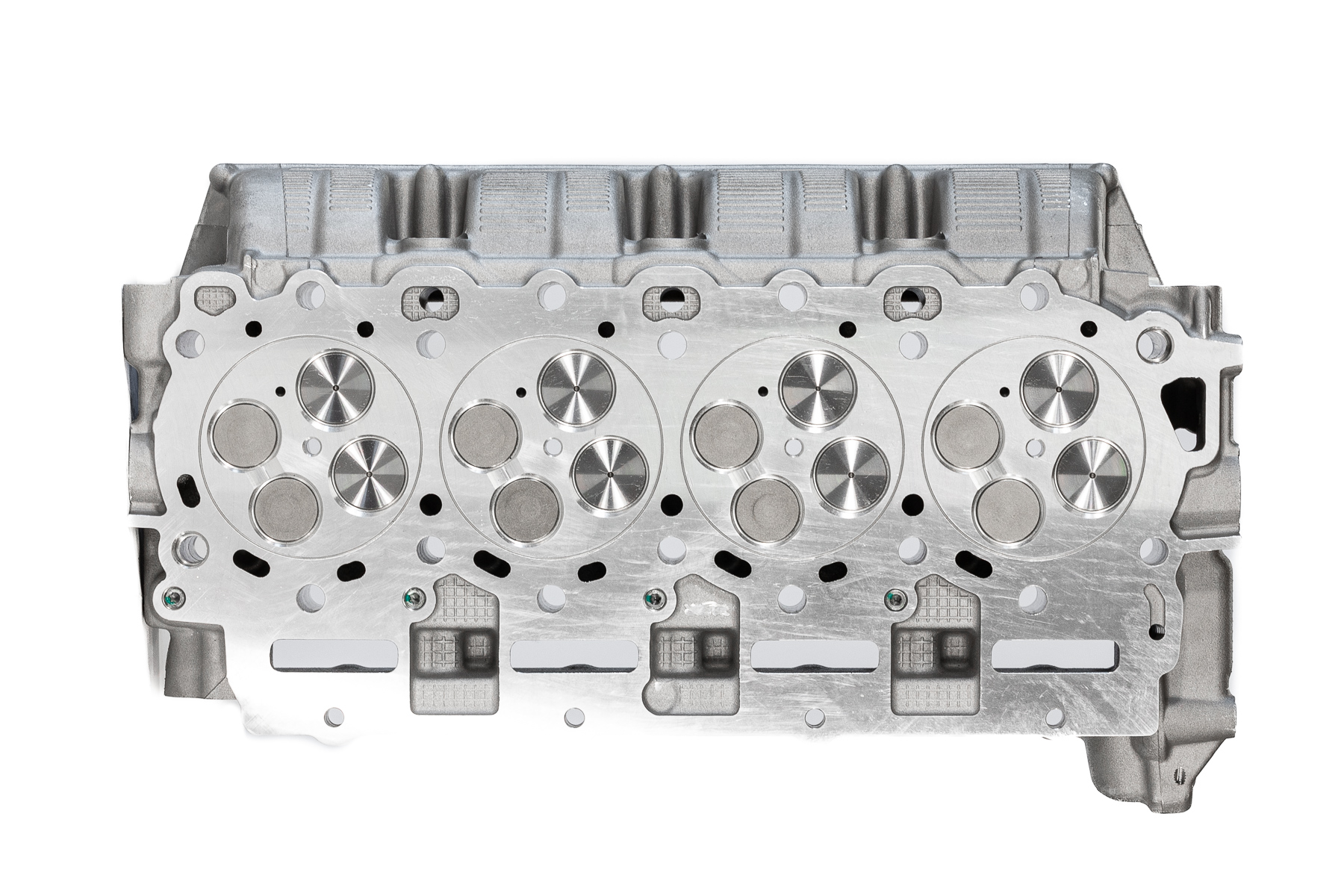
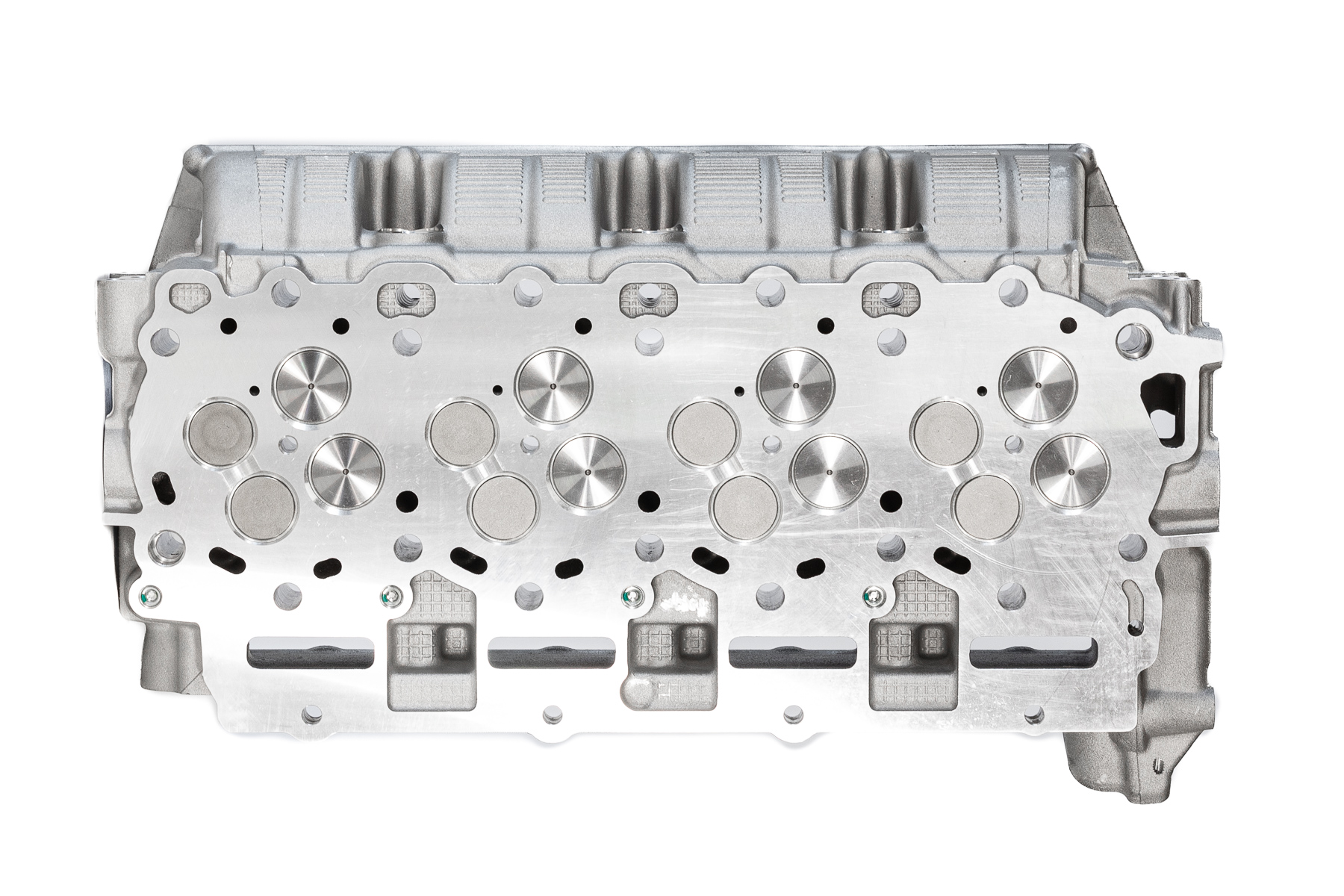
Are 6.7L Powerstroke cylinder heads left and right specific?
Yes. The 6.7L uses separate left and right cylinder heads. Confirm driver or passenger side before ordering — both are available in this catalog.
About the 6.7L Powerstroke
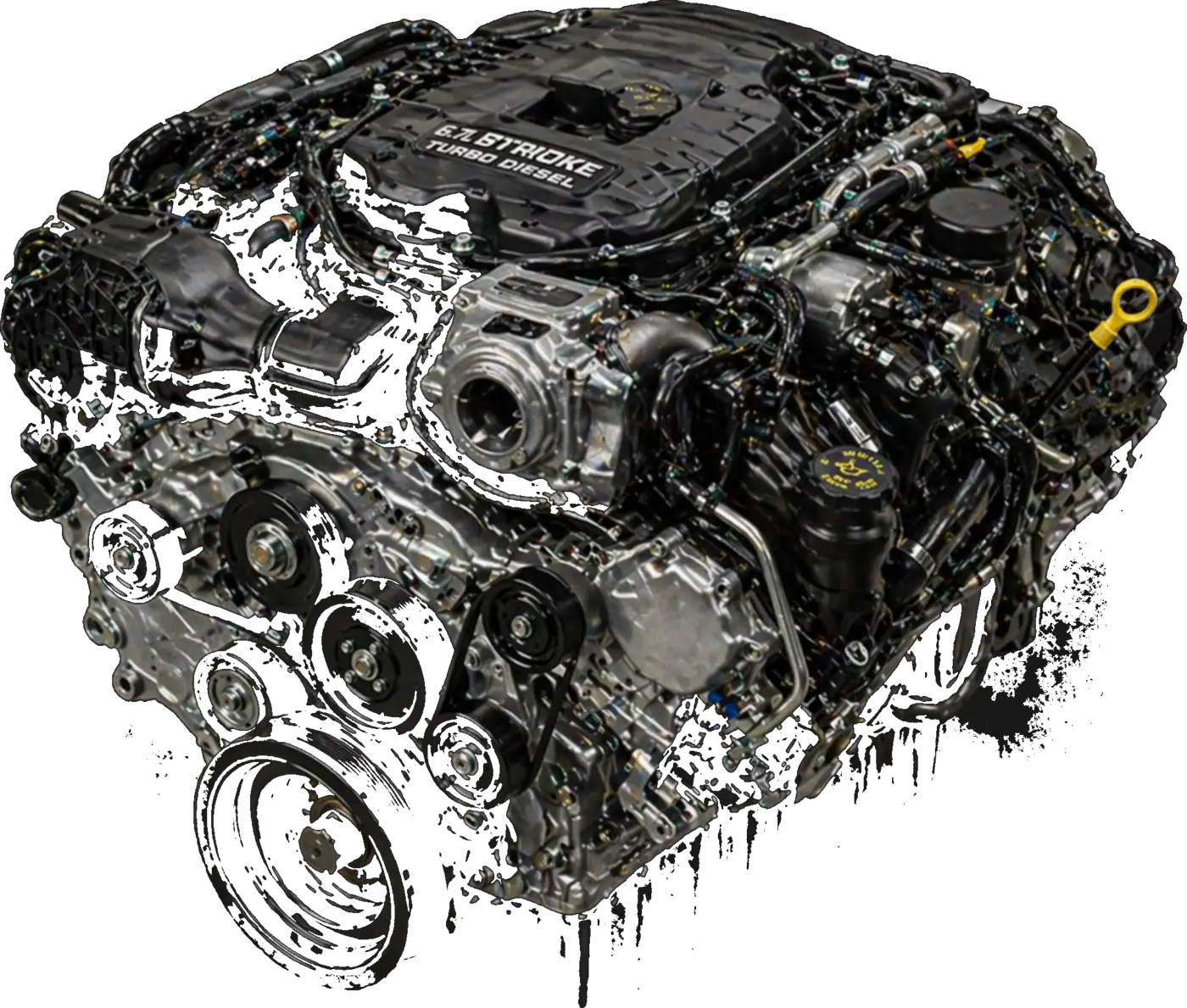
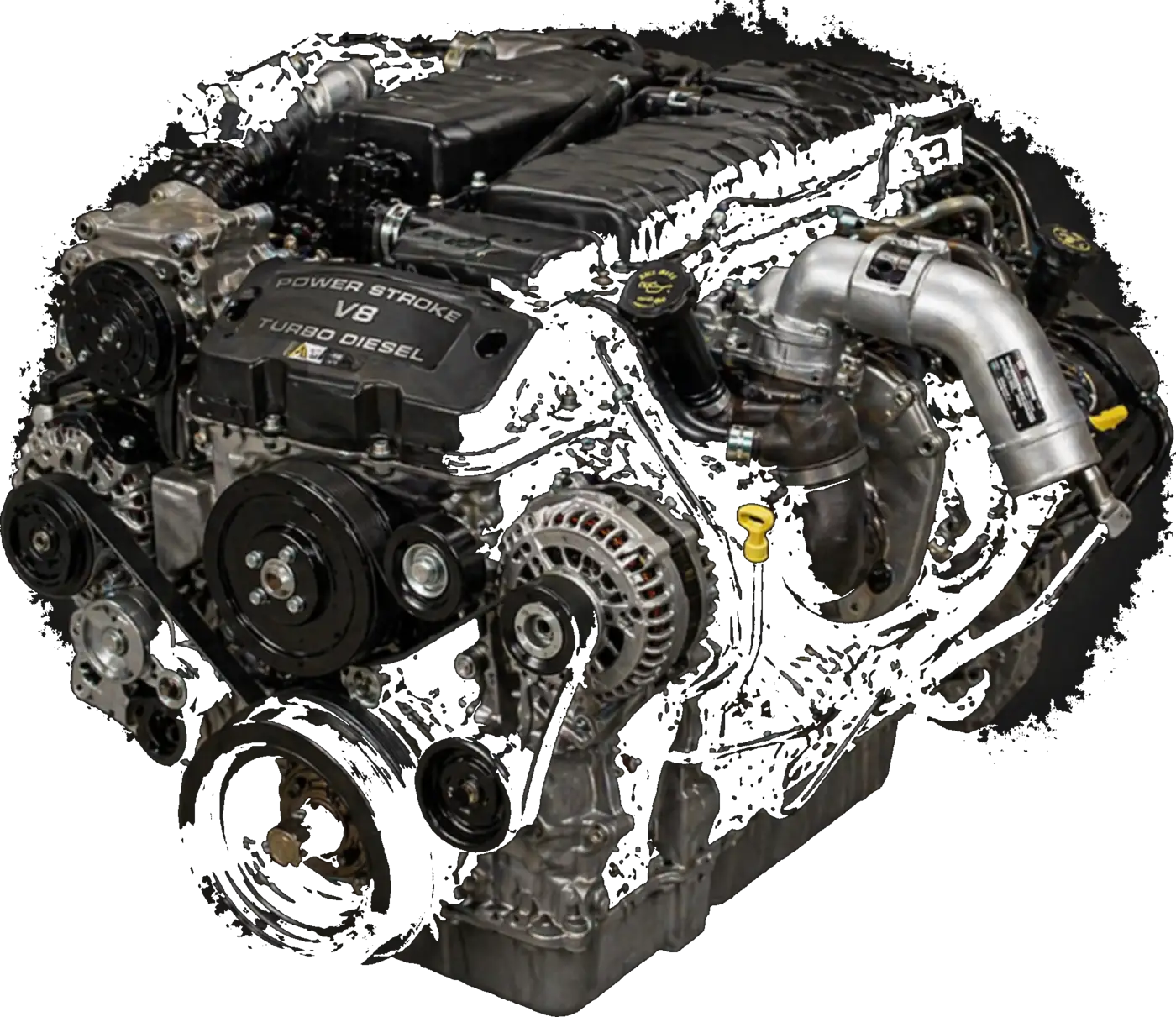
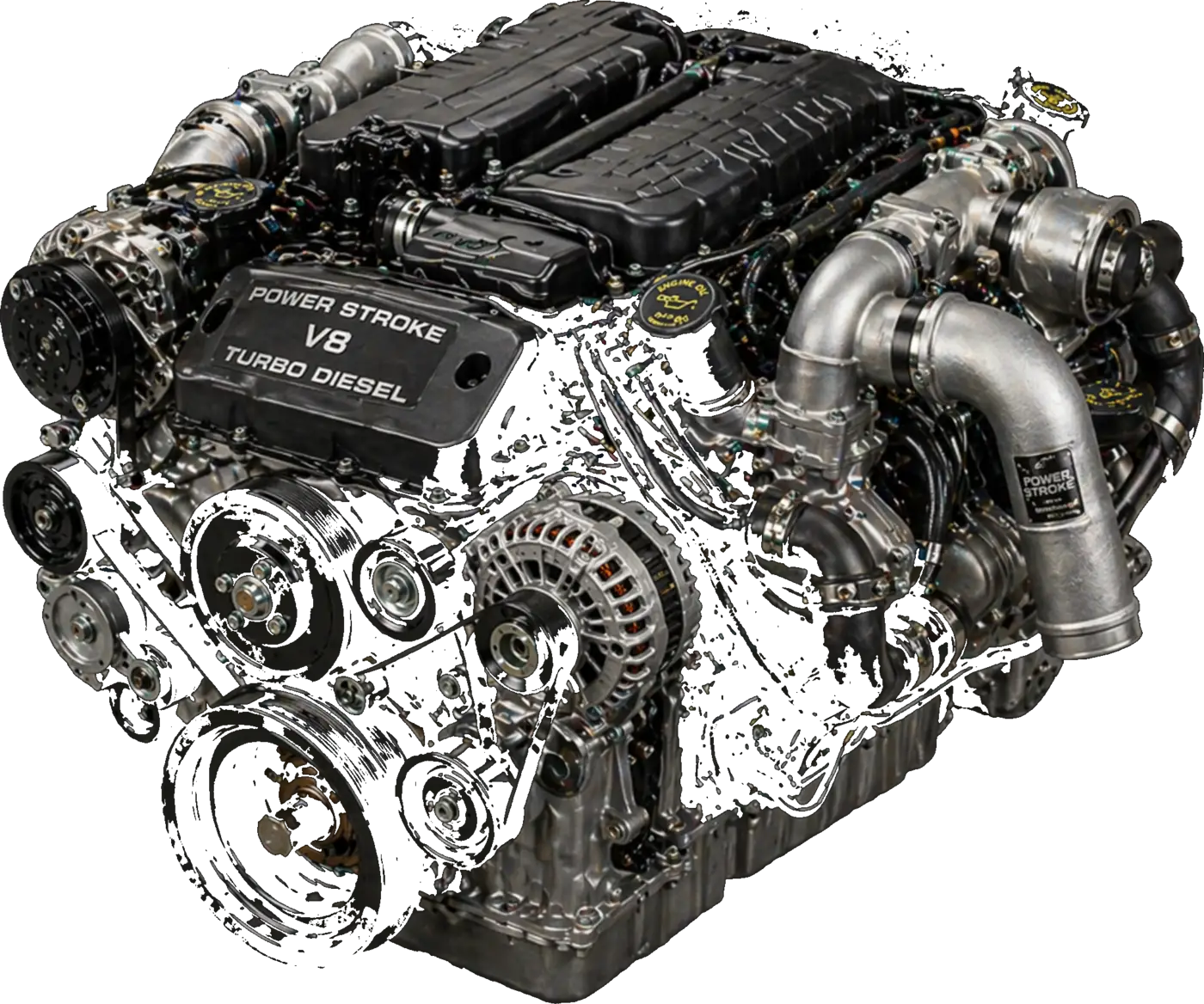
The 6.7L Powerstroke is Ford's most capable diesel platform to date. Camshaft failure, lifter wear, and valve train issues have emerged as the primary reliability concerns on higher-mileage and harder-use examples. Parts here address those failure points for trucks that tow, work, and cannot wait for a dealer appointment.
Camshaft & valve train
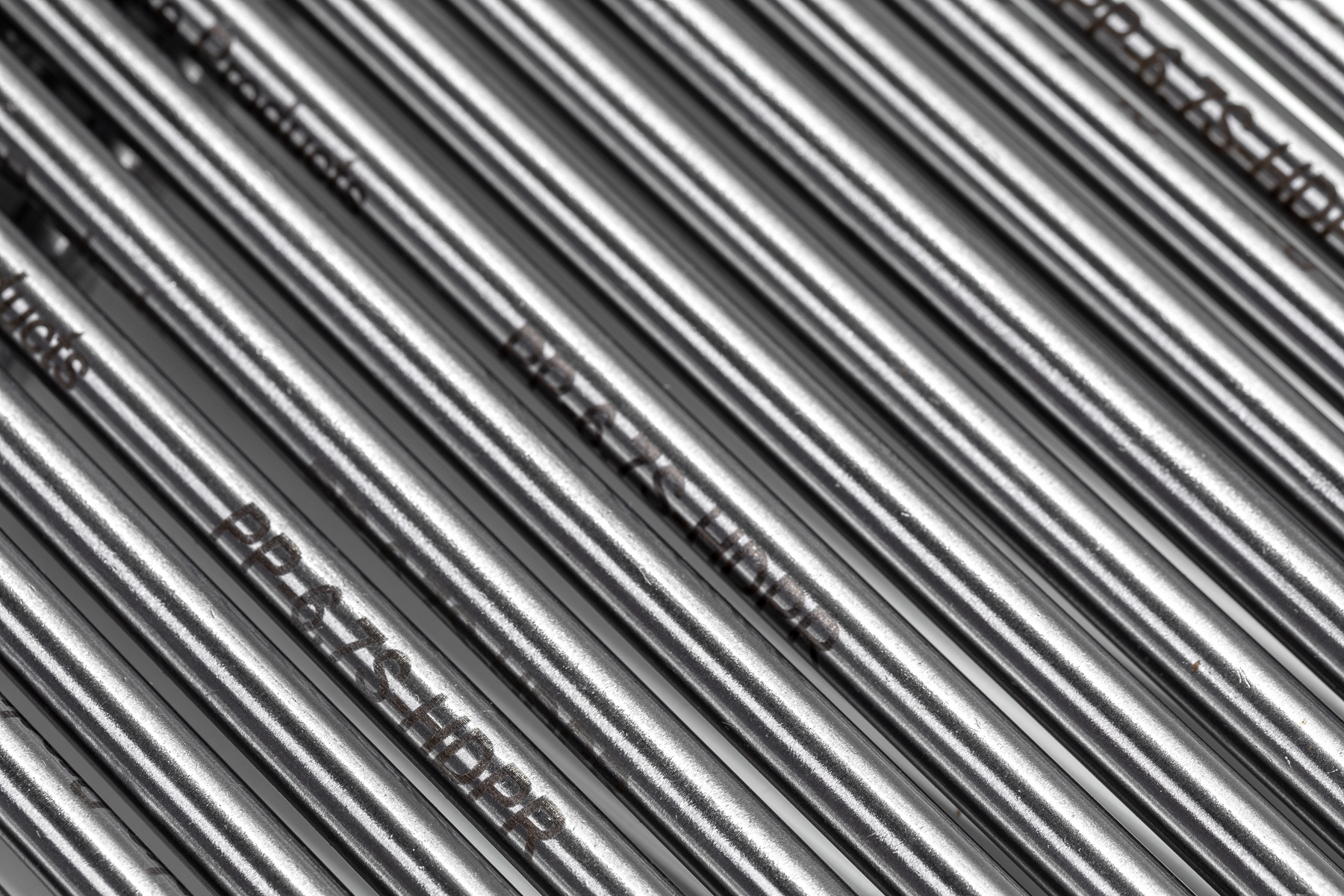
Premature camshaft lobe wear is the most discussed 6.7L failure point. Upgraded camshafts, lifters, pushrods, and valve springs address this directly for towing and performance applications.
Cylinder head reliability
6.7L cylinder heads are engineered for performance but benefit from upgraded valve springs in high-boost or towing applications where heat cycles compound factory valvetrain stress.
OEM-grade quality, better specs
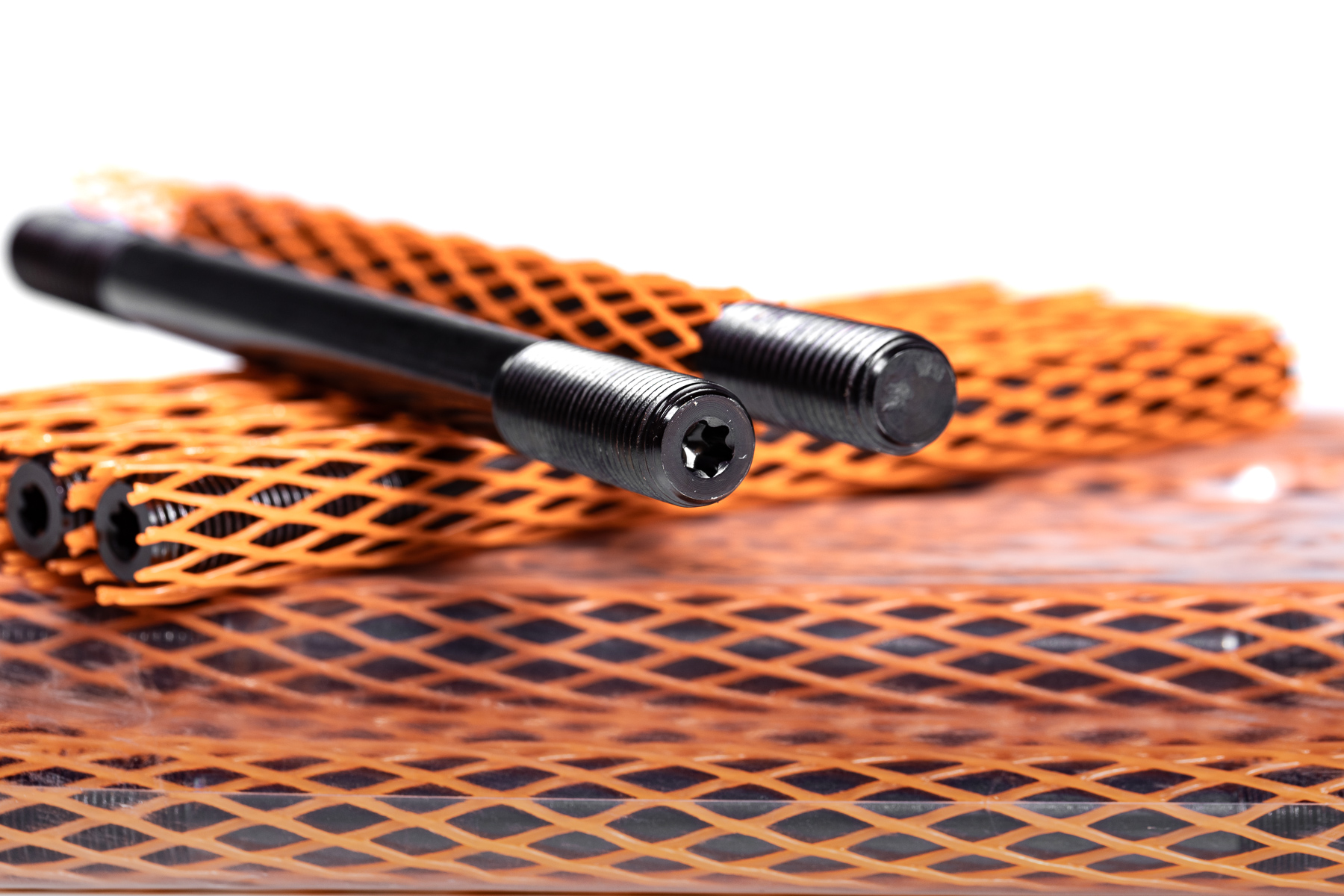
Parts here start with quality castings and are upgraded where the factory spec is the weak point — not rebuilt or remanufactured from worn cores.